The International Trade Requirements Behind a Single Label
There is a notable trend in the global textile trade: even when products appear similar in quality, suppliers offering certified products are often given greater consideration by international buyers.
Behind this trend is an increasingly important principle in global sourcing: product safety certification has become a key consideration in supplier evaluation.
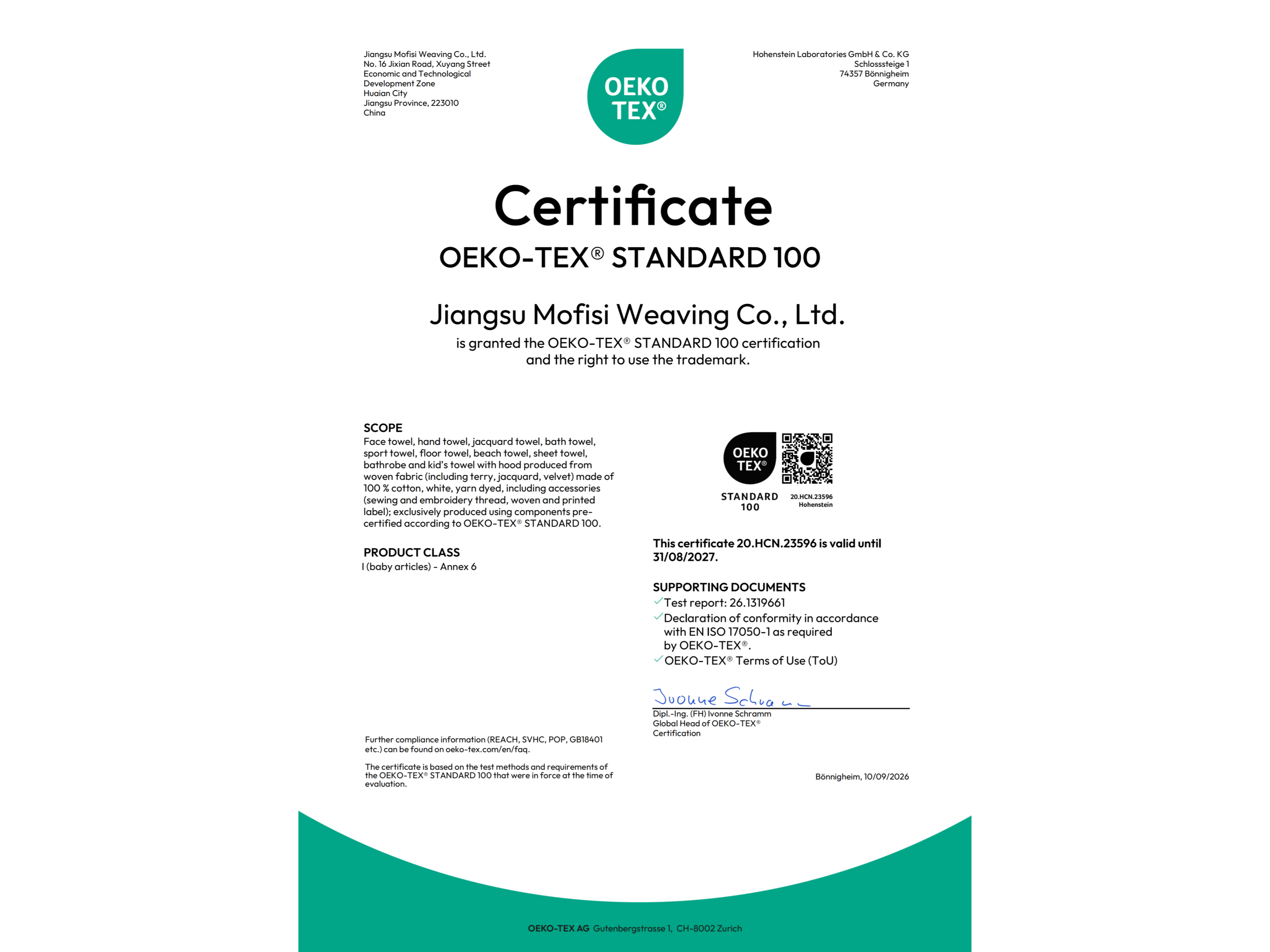
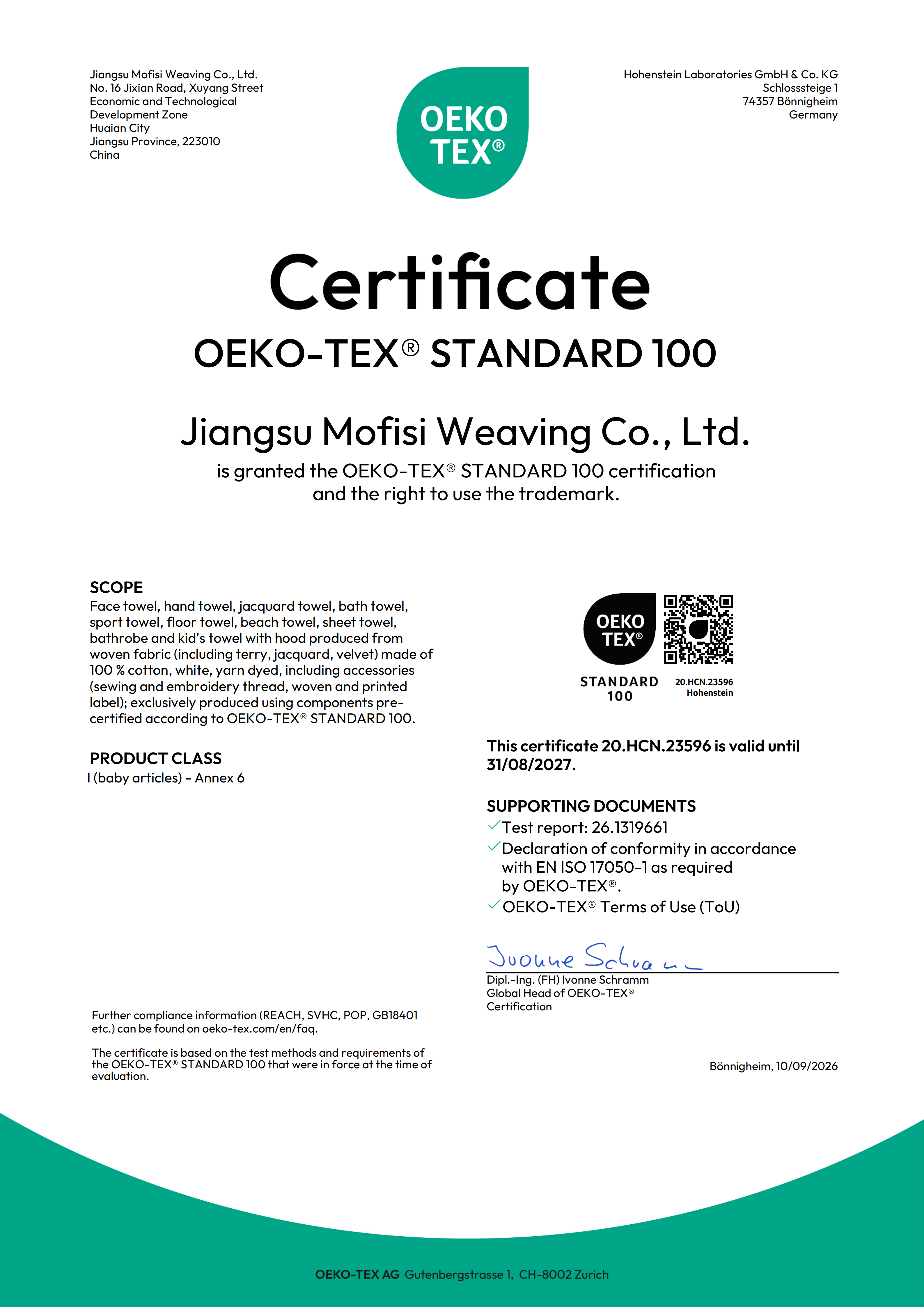
OEKO-TEX® STANDARD 100 is one of the most widely recognized standards in this area. More than simply a certificate, it provides internationally recognized evidence that textile products have been tested for harmful substances.
First, an Important Distinction: It Certifies Products, Not Factories
One common misunderstanding among textile exporters is that OEKO-TEX® STANDARD 100 certifies an entire factory.
It does not.
The certification applies to textile products. Every component of a certified article—including yarns, fabrics, sewing threads, buttons, zippers, labels, and other accessories—must meet the applicable requirements for harmful substances before the product can be certified and carry the STANDARD 100 label.
This means certification involves more than the performance of a single production line. It requires effective control throughout the supply chain.
From raw-material sourcing to accessories and finishing, a non-compliant component can affect the certification of the finished product.
Testing covers an extensive range of regulated and potentially harmful substances, including banned azo dyes, carcinogenic and allergenic dyes, heavy metals, plasticizers, pesticide residues, and per- and polyfluoroalkyl substances (PFAS).
The STANDARD 100 criteria are regularly updated to reflect new scientific findings and regulatory developments, making ongoing compliance and supply-chain management especially important for textile exporters.
Three Practical Benefits for Textile Exporters
Understanding what the certification covers makes its role in international trade much clearer.
1. Supporting Chemical Compliance and Risk Management
Chemical safety requirements are an important part of textile exports.
The European Union's REACH regulation establishes restrictions and requirements for chemicals, while other major markets have their own product-safety regulations.
OEKO-TEX® STANDARD 100 incorporates numerous regulated and non-regulated substances that may be relevant to textile products. Certification therefore provides buyers and suppliers with third-party evidence that a tested product meets the applicable STANDARD 100 criteria.
It is important to note that OEKO-TEX® STANDARD 100 certification does not replace compliance with regulations such as REACH or other applicable laws. Instead, it can serve as a useful component of a broader product-safety and supply-chain compliance program.
For importers and buyers, this additional layer of verification can help reduce uncertainty surrounding chemical safety.
2. A Valuable Reference for International Buyers
For hotel groups, retailers, brands, distributors, and sourcing companies, certifications can be an important part of supplier and product evaluation.
When comparing potential textile suppliers, buyers may consider questions such as:
Does the supplier offer certified products?
Is the certificate currently valid?
Does its scope cover the product being purchased?
Are all relevant materials and components included?
Can the supplier provide documentation for verification?
OEKO-TEX® certification gives buyers an internationally recognized reference point when conducting this due diligence.
Rather than relying solely on a supplier's own claims about product safety, buyers can verify certification information and review the applicable scope.
3. Building Trust Through Independent Verification
For brands and retailers, product safety is not only a compliance issue—it is also a matter of customer trust.
The OEKO-TEX® STANDARD 100 label communicates that a textile article and its components have been independently tested against the applicable requirements for harmful substances.
This third-party verification can make product-safety information more transparent and easier to communicate throughout the supply chain.
For textile brands competing in international markets, credible certification can therefore contribute to a stronger product proposition and reinforce a quality-focused brand image.
A Buyer's Perspective: How to Evaluate Certification
For international buyers sourcing towels, bathrobes, bedding, and other textile products, OEKO-TEX® STANDARD 100 can be used as one part of the supplier evaluation process.
However, simply seeing an OEKO-TEX® logo is not enough.
Buyers should verify key information, including:
Certificate validity
Check whether the certificate is currently valid and whether it has been renewed as required.
Certification scope
Confirm that the certificate actually covers the product, materials, and components you intend to purchase.
Certificate authenticity
Verify certificate details through official OEKO-TEX® resources where applicable.
Supply-chain control
Ask how the supplier manages yarns, dyes, chemicals, accessories, and other upstream materials.
This is particularly important for customized textile products, where changes in yarn, color, printing, accessories, or finishing processes may affect compliance requirements.
A supplier's ability to maintain transparent and controlled sourcing can therefore be just as important as the certificate itself.
Beyond OEKO-TEX®: What Else Should Textile Buyers Consider?
OEKO-TEX® STANDARD 100 primarily focuses on testing textile products for harmful substances, but international textile sourcing involves a much broader range of considerations.
Depending on the market, customer, and product category, buyers may also evaluate suppliers based on quality management, environmental management, social responsibility, production capability, testing procedures, and traceability.
For example:
ISO 9001 focuses on quality management systems and consistent processes.
ISO 14001 addresses environmental management systems.
BSCI provides a framework for assessing social compliance within global supply chains.
Together with product-specific testing and certification, these systems can provide buyers with a more comprehensive view of a supplier's manufacturing and management capabilities.
For textile manufacturers seeking long-term participation in international supply chains, certification should therefore be viewed not as a collection of logos, but as part of a broader system of quality, compliance, and supply-chain management.
MOFISI's Approach to Certification and Quality Management
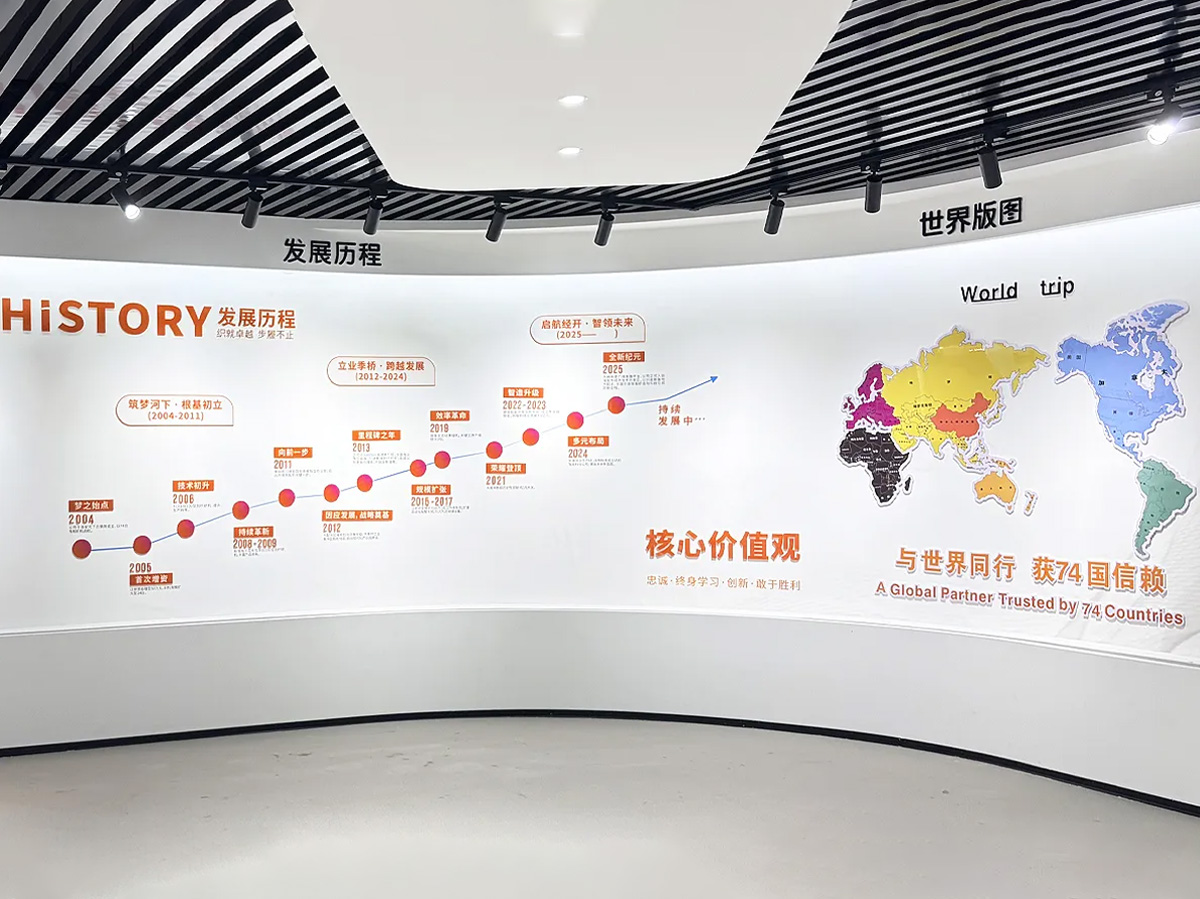
With more than two decades of experience in textile manufacturing, Jiangsu Mengfeisi Weaving Co., Ltd. (MOFISI) integrates product safety, quality management, and responsible manufacturing into its production and supply-chain processes.
Our product portfolio includes customized towels, bathrobes, bedding, and other textile products for hospitality, brands, distributors, corporate gifting, and other B2B applications.
Our quality and compliance framework includes OEKO-TEX® STANDARD 100 as well as ISO 9001, ISO 14001, BSCI, and other relevant certifications and management systems.
From material selection and product development to weaving, finishing, inspection, and final delivery, we focus on consistent process control throughout the production cycle.
Our goal is simple: to help global customers develop customized textile products that meet their design, quality, and market requirements.
Certification Is More Than a Label
For companies operating in international textile supply chains, OEKO-TEX® STANDARD 100 represents more than a label on a product.
It provides a structured and independently verified approach to testing textiles for harmful substances.
For buyers, it offers another tool for evaluating products and suppliers. For manufacturers, it encourages stronger control over materials, components, and production processes.
Ultimately, certification helps turn an abstract promise of “product safety” into something that can be tested, documented, and verified—creating a stronger foundation of trust between textile manufacturers and global buyers.
 EN